
Studios
Learning by Doing
If seminars are where students encounter the great questions, the studios are where they respond with their hands, their voices, and their bodies. Music, fine art, the gymnasium, and the refectum each cultivate a different dimension of human excellence, making the abstract concrete and the intellectual physical.
The Art and Science of Music
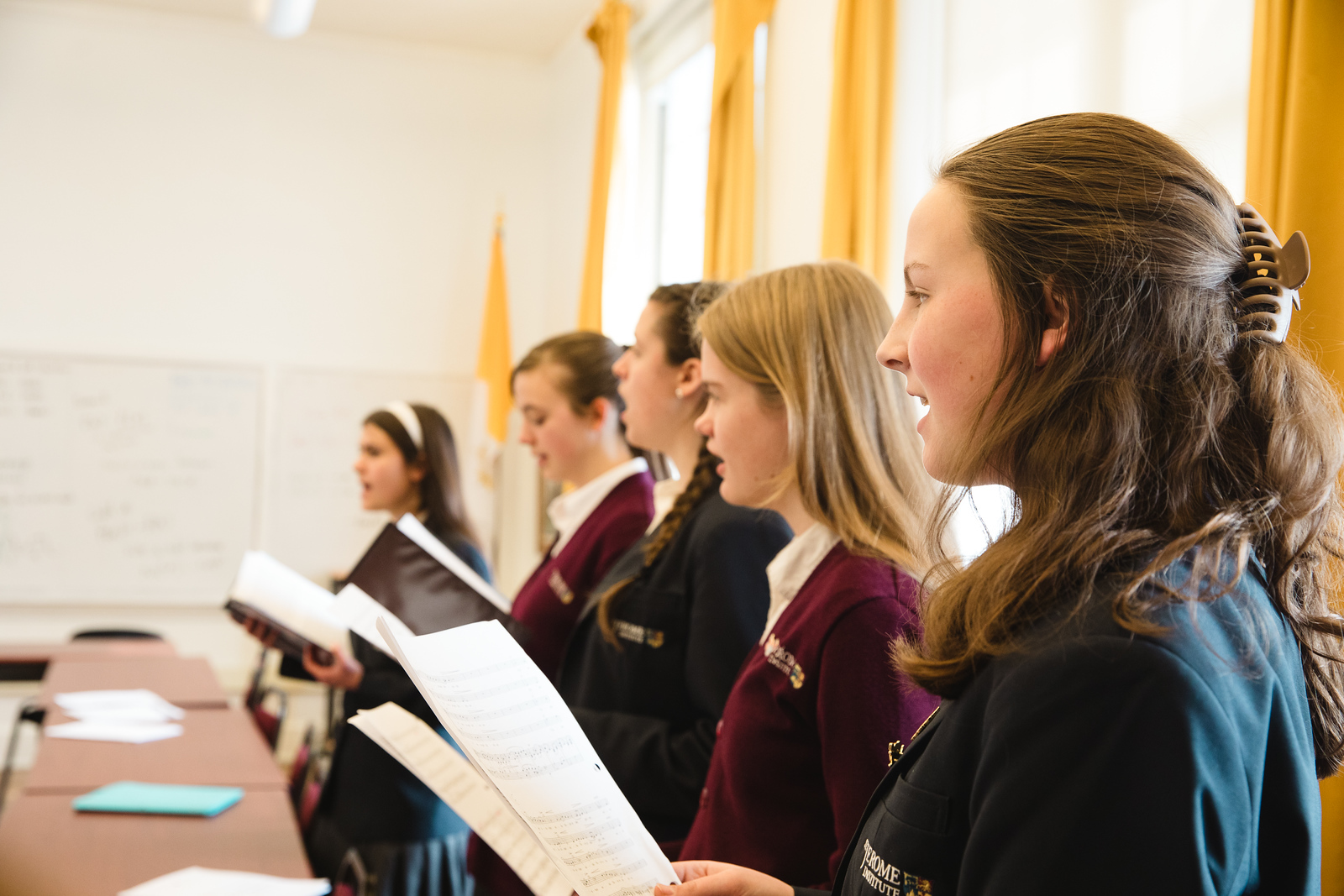
Music has a unique power to order the passions in accord with right reason, bringing them into a beautiful integration that removes inner conflict and allows their full expression. Good music teaches us to feel deeply for the right reasons, an essential step on the road to becoming great-souled. We sing because there is no other way to fully express what we feel and know in our hearts.
Through the practice of singing together, students will be introduced to the fundamental elements of music – melody, harmony, rhythm, tone, form, tempo, and dynamics. The study of music will also include an introduction to music theory, notation, and composition, the history of music, ear training and sight singing, harmony, and the pride of place that Gregorian chant holds in sacred music. In addition to the songs that students will sing together, students will also study and listen to masterpieces and master performers, taking advantage of live performances in and around the metro area when possible.
Fine Art Studio
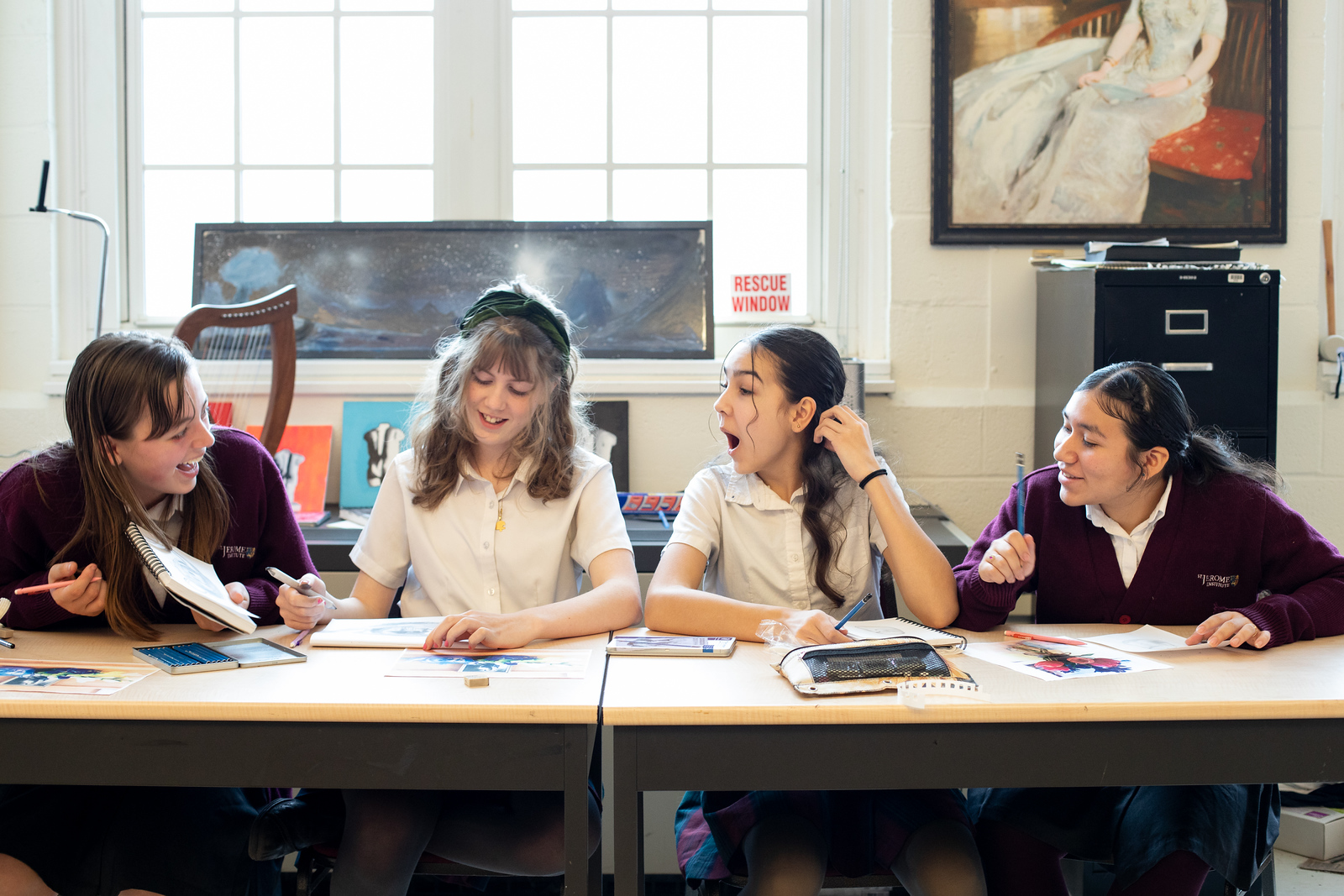
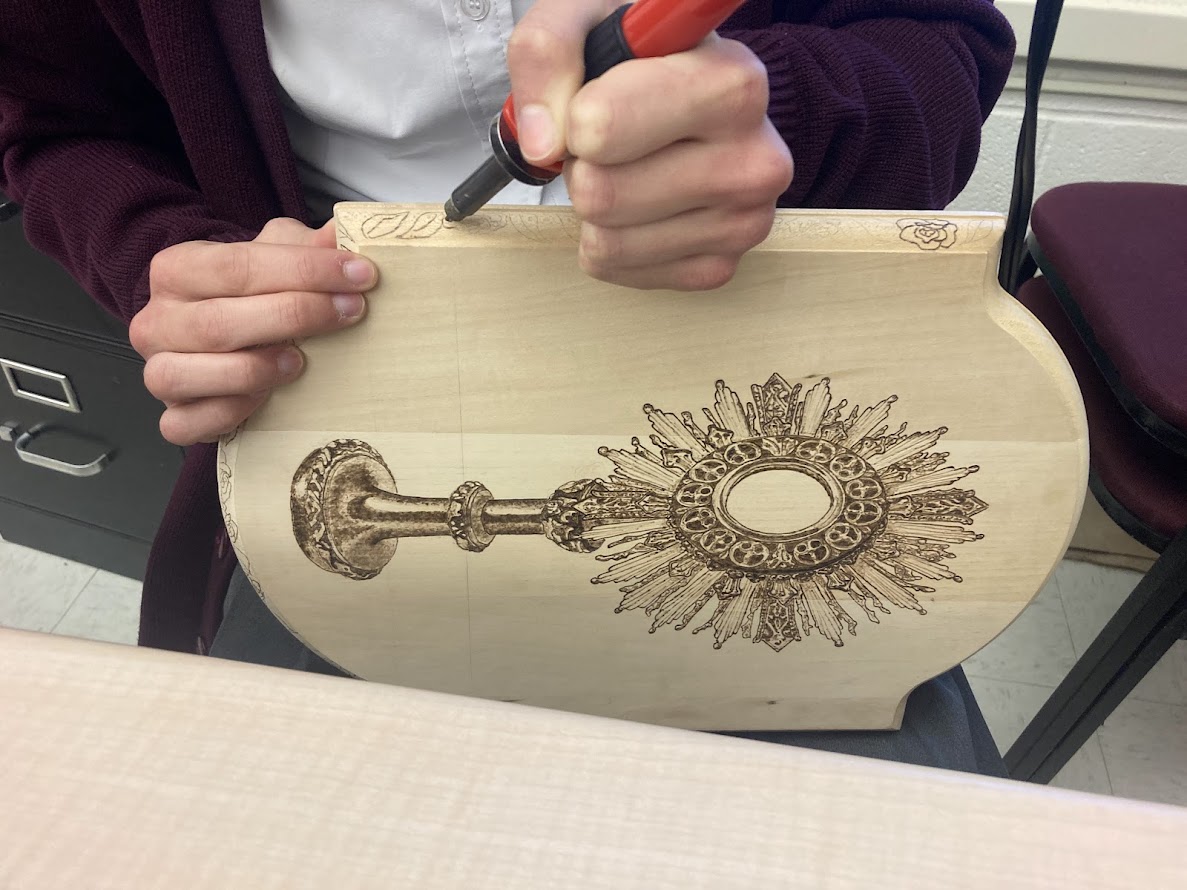
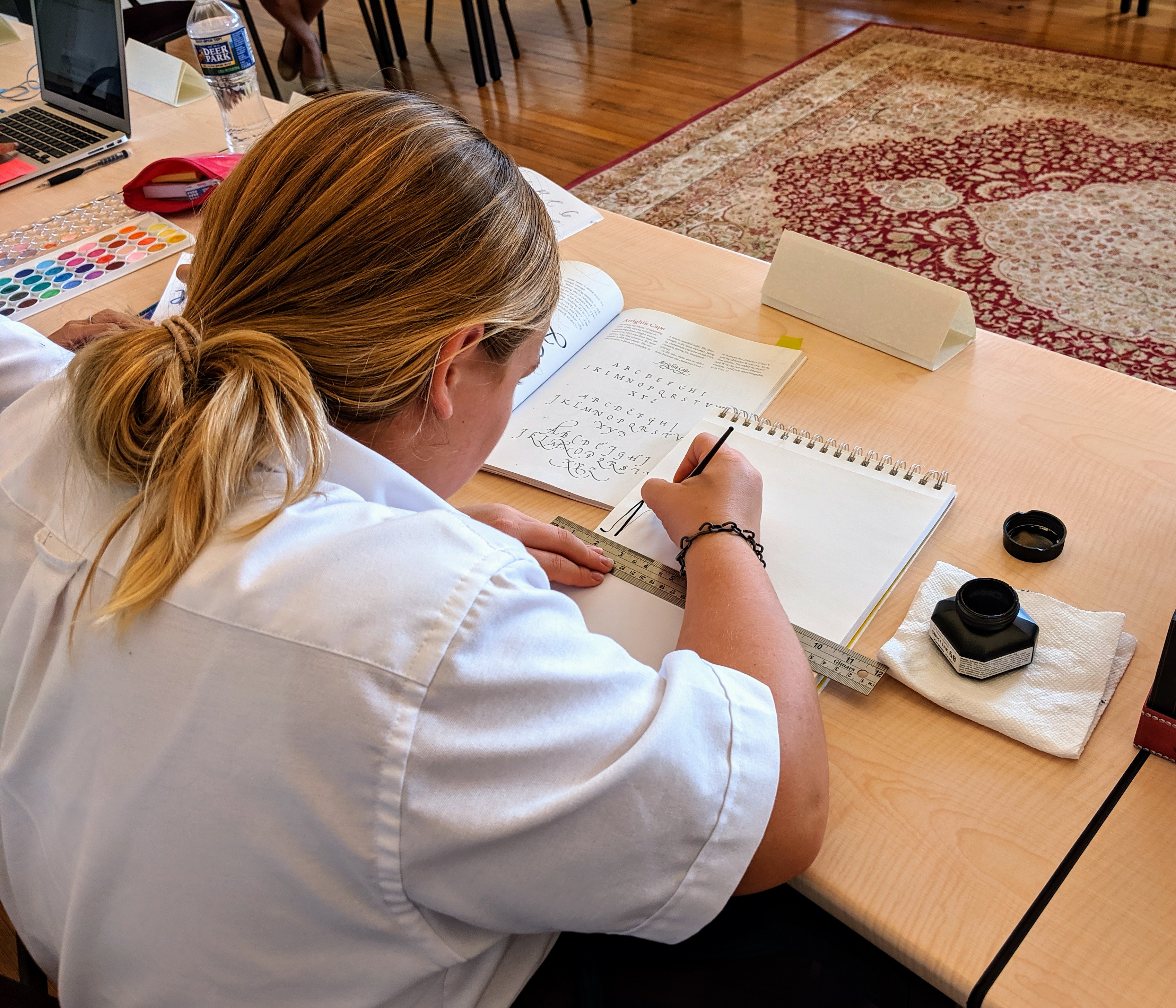
Love of beauty is integral to the apprehension and embrace of truth, and it is the presupposition of any truly creative act. Fine Art, taught in studio twice per week, immerses the student in objectively beautiful forms and develops the student’s capacity to see, look, notice, and replicate the subject matter in all its subtle detail and complexity. Without this capacity for careful observation and imitation of the beautiful form, the student’s creative desires and aspirations will be frustrated. However, through practice, the developing harmony of hand and eye will enable the student to embody the very beauty that he creates. Studio nurtures the student’s maturing creative powers in the hope of exercising the love of beauty and a greater attending to reality.
Gymnasium
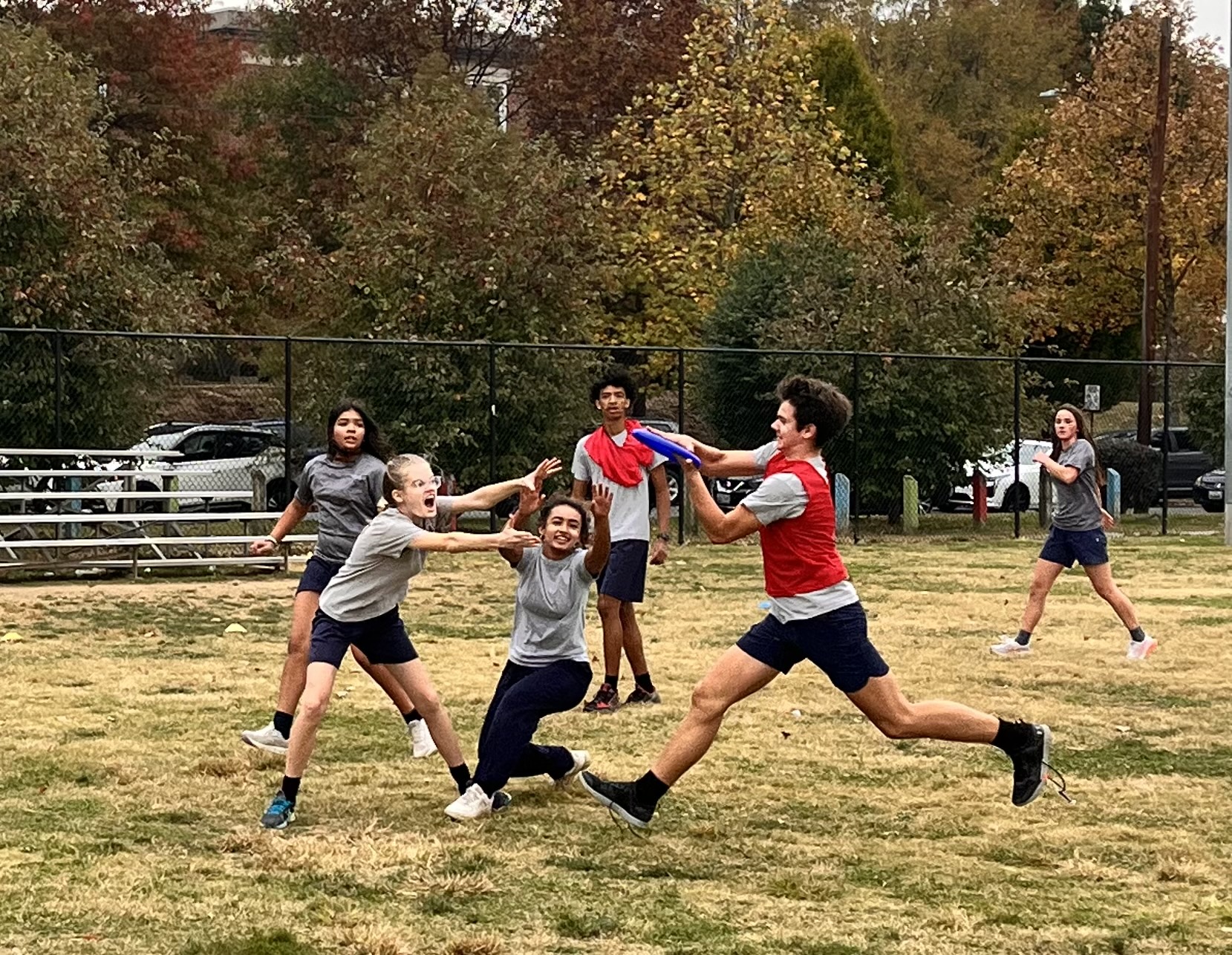
What is the structure and purpose of the human body? At SJI we believe physical excellence must be a response to this question. Our students will run, crawl, roll, and jump, and grow in heroic, magnanimous spirit as they are challenged in classic exercises. This physical culture is most emphasized in Gymnasium class which offers the opportunity to follow through on our mission to educate the whole person. In so many of today’s schools, physical education programs tend to be phased out or viewed as extracurricular. At the St. Jerome Institute, we understand that the formation of the human body is integrated with the education of heart and mind. In our Gymnasium classes, students are lovingly challenged to be the best expressions of themselves in every aspect, including the body.
Refectum
The whole life and curriculum of St. Jerome Institute is oriented toward contemplation of the good, the beautiful, and the true. But in the ever-increasing flurry of mental and physical activity characteristic of young people, it is difficult to find quiet time to refresh and strengthen the mind. For this reason, significant time is reserved in the weekly schedule for deeper reflection and prayer, rest, independent study, focused discernment, and for advanced tutorials in subjects of special interest to students and faculty.
Adventure Days
An important part of SJI’s curriculum includes time spent outside the classroom, exploring the arts, doing field work, visiting monuments and museums, and taking advantage of programs for high school students and the public at select institutions. These Adventure Days are more than just a chance to stand in front of an original work of art or try one’s hand in observation and data collection. They are an opportunity for students to experience and reflect on the practice of the disciplines they study. By actually doing the work they study, students come to realize how interdisciplinary these activities are, and better understand the need for a liberal arts education.

